
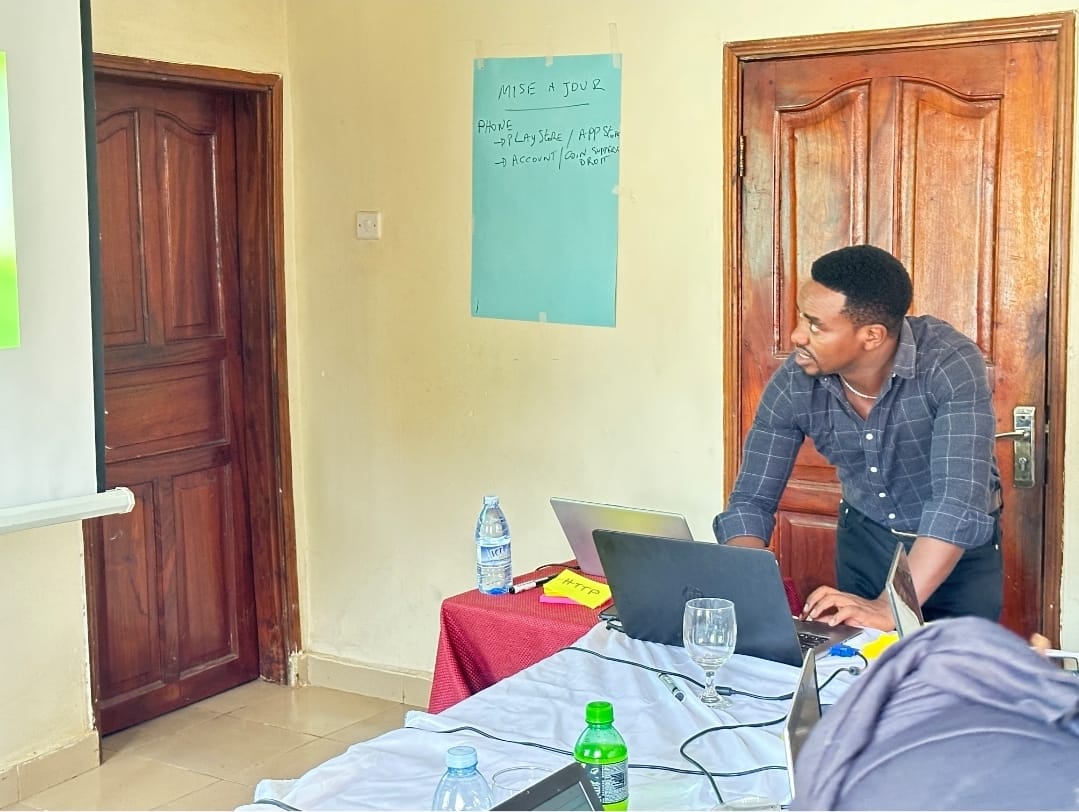
On 6 December 2025, the Integrated Refugee Organization (IRO) successfully delivered a comprehensive training on digital security and advocacy tools to 20 Exiled Women Human Rights Defenders (WHRDs) from the Inamahoro Movement, Uganda Chapter. The training was strategically organized as part of the global 16 Days of Activism Against Gender-Based Violence, reinforcing the commitment to protect women and girls from all forms of violence, including technology-facilitated threats.
Training overview
The one-day session provided exiled WHRDs with practical skills to safeguard their digital presence, ensuring they can continue their advocacy work safely in a challenging environment. Participants gained hands-on knowledge about securing their devices, communication channels, and online accounts against potential threats, including hacking, phishing, and surveillance.
Key topics covered
- How the internet works
Participants learned about the basic functioning of the internet, including data flow, the risks of public Wi-Fi, and how digital footprints can be tracked. This foundational knowledge enabled them to understand the broader landscape of online threats and their potential impact on human rights work.
- Updating Operating Systems (OS) on computers and mobile devices
The training emphasized the importance of keeping Windows, macOS, Android, and iOS devices updated. Updates often include critical security patches that protect against malware, ransomware, and other vulnerabilities, helping WHRDs maintain device integrity.
- Strong passwords & password managers
Exiled WHRDs were guided on creating strong, unique passwords for each account and introduced to password managers as a tool to securely store and manage credentials. This reduces the risk of account compromise due to weak or reused passwords.
- Setting Up Two-Factor Authentication (2FA)
Participants learned to enable 2FA on Gmail, Facebook, WhatsApp, and X, adding an extra layer of protection to their accounts. This is particularly important for defenders who face targeted attacks or harassment online.
- Checking device security
The session included practical steps for checking device permissions, identifying signs of malware, and ensuring apps are safe to use. Exiled WHRDs were taught how to audit their devices regularly to detect vulnerabilities before they can be exploited.
- Safe messaging practices on WhatsApp
Given that WhatsApp is widely used for advocacy and coordination, the training focused on safe messaging practices, including managing group privacy, controlling read receipts, and recognizing potential phishing links.
Impact on participants
The training had an immediate and positive impact on the participants. Many expressed increased confidence in handling technology and safeguarding their communications against online threats. For exiled WHRDs, who often face surveillance and cyber harassment, these skills are crucial for personal safety and the continuity of their advocacy work.
Recommendations
Participants and trainers alike recommended extending the duration of future trainings to allow more in-depth coverage of advanced digital security topics, including encrypted communication apps, secure cloud storage, and digital hygiene practices.
Conclusion
The IRO training reinforced the vital role of digital resilience for exiled women human rights defenders. Equipping them with practical tools and knowledge, IRO ensures that Exiled WHRDs can continue advocating for the rights of women and girls in a safe and secure digital environment, even while living in exile.
