
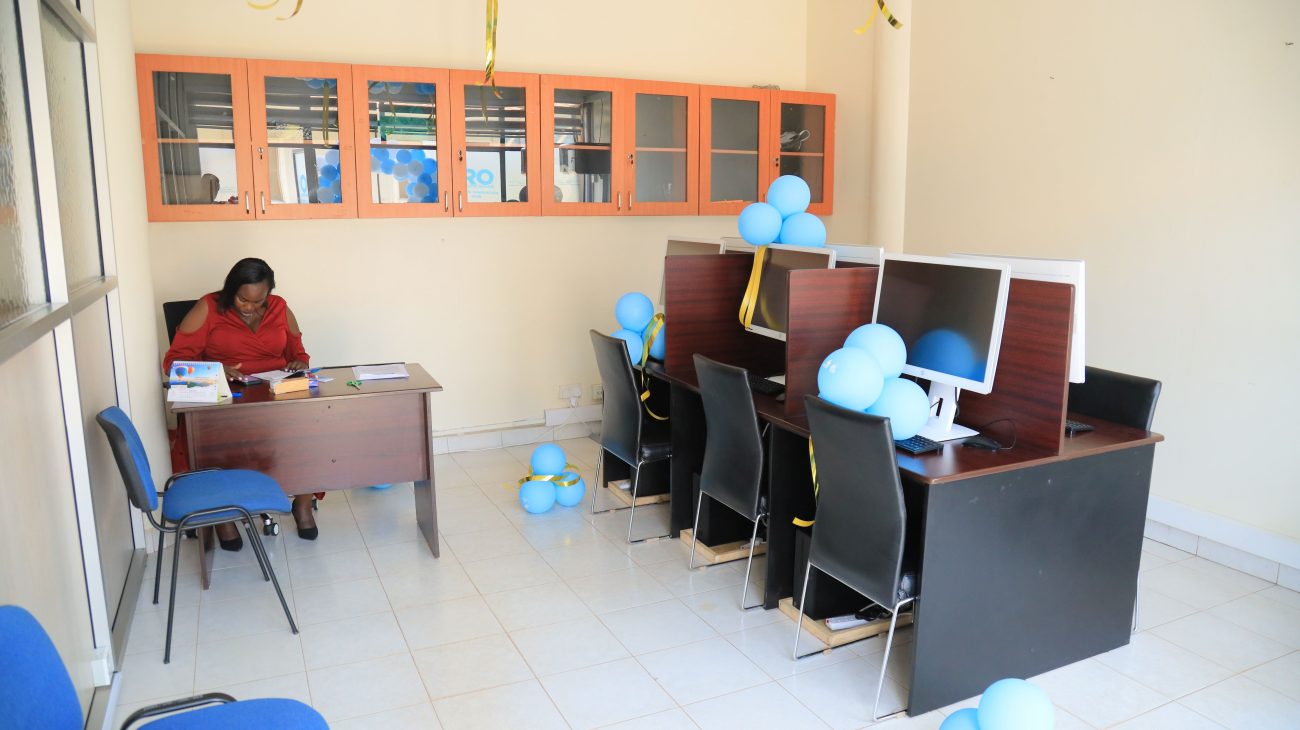
Taking care of refugees involves addressing their immediate humanitarian needs and supporting their integration into new communities. IRO’s key aspects of taking care of refugees:
1. Basic Needs: Provide essential items such as food, water, shelter, and medical care.
2. Safety and Security: Ensure refugees are protected from violence, exploitation, and discrimination.
3. Legal Assistance: Help refugees understand their rights and access legal aid for asylum claims, documentation, and resettlement processes.
4. Healthcare: Provide access to healthcare services, including vaccinations, reproductive health, and mental health support to address trauma.
5. Education: Ensure children have access to education and adults have opportunities for vocational training or language classes to facilitate integration.
6. Psychosocial Support: Offer counseling and support services to help refugees cope with trauma, loss, and adjustment to new environments.
7. Employment and Livelihoods: Facilitate opportunities for refugees to work and earn a living, which can contribute to their self-reliance and integration.
8. Community Integration: Encourage social inclusion and integration by promoting interaction between refugees and host communities through cultural exchange programs and initiatives.
9. Family Reunification: Support efforts to reunite separated families and ensure children are cared for appropriately.
10. Long-Term Solutions: Advocate for durable solutions such as voluntary repatriation, local in
