
Digital Security and Digital Rights
Protecting the people who defend our rights
Building safer digital spaces for refugees, human rights defenders, journalists, activists, and communities at risk.
Digital technology has become essential for documenting human rights violations, communicating securely, accessing information, organizing communities, and advocating for justice. Yet the same technologies can expose people to surveillance, online harassment, account compromise, digital fraud, disinformation, and technology-facilitated gender-based violence.
At Integrated Refugee Organization (IRO), we believe that everyone should be able to participate in digital life safely, regardless of their nationality, displacement status, gender, location, or economic circumstances.
Through our digital security and digital rights work, we support individuals, organizations, and communities to strengthen their digital safety, respond to online threats, protect sensitive information, and build long-term resilience.
As a refugee-led organization, we bring lived experience, technical expertise, and community knowledge together to develop practical, accessible, and context-sensitive digital protection solutions.
Our goal is simple: safer technology, stronger communities, and protected civic participation.
What We Do
- Digital Security Helpdesk and Rapid Response
When digital threats arise, timely and appropriate support can make a difference.
IRO’s Digital Security Helpdesk provides a channel for human rights defenders, journalists, activists, and other at-risk individuals to seek guidance on digital security concerns and technology-related threats.
Our support includes:
- Initial assessment and triage of reported digital security incidents.
- Guidance on compromised accounts, suspicious activity, phishing, and unauthorized access.
- Support with account security, recovery procedures, and stronger authentication.
- Digital safety guidance for individuals experiencing online harassment, impersonation, or doxxing.
- Referrals and coordination with specialized digital security and protection partners when additional expertise is required.
- Follow-up guidance to help reduce recurring risks and strengthen digital resilience.
We recognize that digital incidents can also create physical, psychological, professional, and protection risks. Our approach considers the wider circumstances surrounding each case.
- Organizational Digital Security and Risk Assessments
Strong digital protection requires more than individual security tools. Organizations also need appropriate policies, reliable systems, secure workflows, and a culture of shared responsibility.
IRO supports civil society organizations, refugee-led organizations, human rights groups, and community initiatives to identify digital risks and strengthen their security practices.
Our support can include:
- Digital security assessments and risk reviews.
- Reviews of account management, access controls, and authentication practices.
- Assessment of device, network, and communication security.
- Data protection, information handling, and backup practices.
- Staff security policies and incident response procedures.
- Practical recommendations and implementation support tailored to organizational needs.
Our approach prioritizes realistic improvements that organizations can sustain with the resources available to them.
- Digital Security Training and Capacity Building
Digital security should be practical, accessible, and relevant to people’s daily work.
IRO provides and develops tailored learning opportunities to help individuals and organizations understand digital risks and adopt safer practices.
Our training areas include:
- Digital security fundamentals for human rights defenders and journalists.
- Account protection, password management, and multifactor authentication.
- Secure communications and responsible information sharing.
- Phishing awareness and online fraud prevention.
- Device security, privacy, and safer browsing.
- Digital safety for women human rights defenders and people facing targeted online abuse.
- Organizational security culture and incident preparedness.
- Digital protection for refugees, community leaders, and grassroots organizations.
We aim to make digital security knowledge accessible to people with different levels of technical experience, including communities facing language, connectivity, and resource barriers.
- Digital Rights and Online Safety
Everyone deserves to exercise their rights online without discrimination, intimidation, or unnecessary barriers.
IRO promotes digital rights as an essential part of human rights protection, freedom of expression, access to information, and meaningful civic participation.
Our work addresses issues including:
- Online harassment, intimidation, and digital exclusion.
- Freedom of expression and access to information.
- Privacy, personal data protection, and responsible technology use.
- Technology-facilitated gender-based violence.
- Digital inclusion for refugees and underserved communities.
- The rights of displaced people to participate in digital and civic spaces.
- The impact of digital policies and emerging technologies on vulnerable communities.
We work to ensure that refugees and other marginalized groups are not merely users of technology, but active participants in shaping the digital systems and policies that affect their lives.
- Digital Evidence, Incident Documentation, and Safe Reporting
Digital information can play an important role in documenting human rights violations, threats, and abuses. However, collecting and storing sensitive information also creates risks for survivors, witnesses, and the people documenting these incidents.
IRO works to strengthen safer approaches to incident reporting and documentation through its protection and digital resilience initiatives.
Our work includes:
- Guidance on responsible digital incident documentation.
- Safer handling and storage of sensitive information.
- Digital safety considerations for human rights documentation.
- Approaches to protecting the privacy and dignity of survivors and witnesses.
- Support for safer reporting pathways and appropriate referrals.
- Exploration of responsible digital tools that can help communities report and document violations.
We prioritize informed consent, confidentiality, data minimization, and the safety of affected individuals. Documentation must never create additional risks for the people it is intended to protect.
- Digital Resource Center and Refugee Innovation
Access to secure technology, practical knowledge, and supportive environments can help displaced communities build digital confidence and resilience.
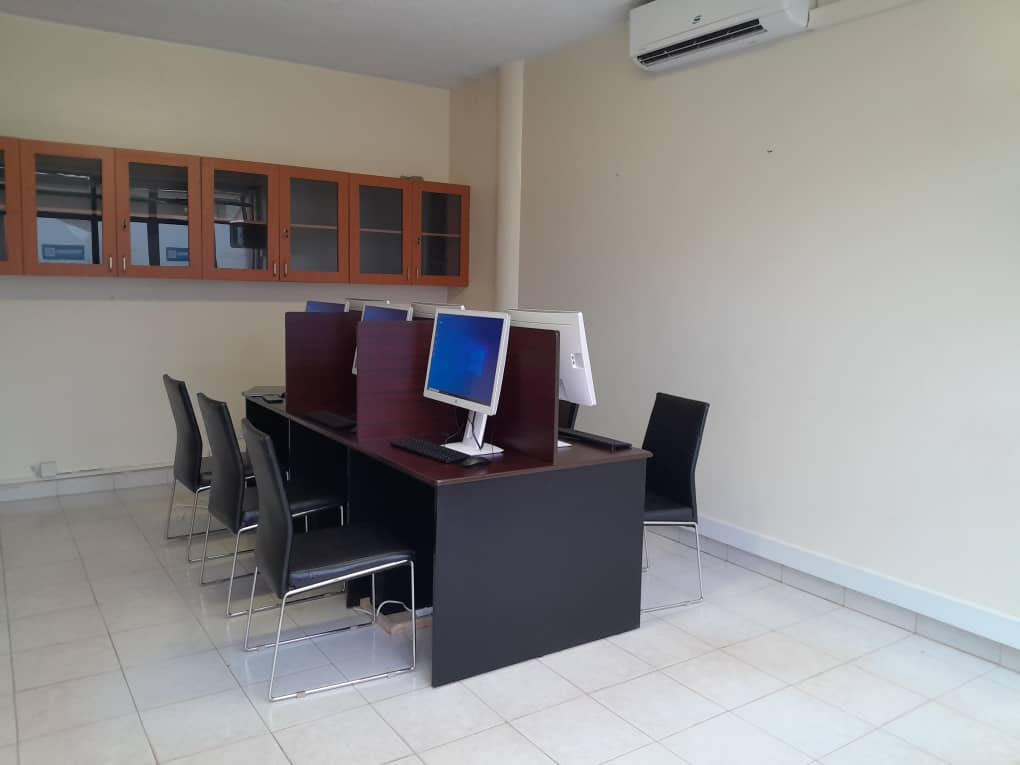
Through our Refugee Innovation Hub and Digital Resource Center initiatives, IRO works to expand opportunities for learning, digital participation, and safer access to technology.
Our work connects digital protection with practical access to resources and community-led innovation.
This area includes:
- Access to digital learning resources and security guidance.
- Safer digital workspaces and opportunities to build practical skills.
- Digital literacy and awareness activities.
- Peer learning and community-based knowledge sharing.
- Exploration of technology solutions responding to refugee community needs.
- Support for inclusive digital innovation and responsible technology adoption.
We envision community-centered spaces where refugees and host communities can learn, collaborate, create, and participate in the digital economy more safely.
- Information Integrity and Digital Resilience
Access to trustworthy information is essential for informed decisions, human rights protection, and meaningful civic participation.
IRO works at the intersection of information integrity, civic intelligence, and digital resilience to help communities better understand the information environments in which they live and work.
Our areas of interest include:
- Understanding and responding to harmful misinformation and disinformation.
- Promoting responsible digital communication and information sharing.
- Strengthening digital literacy and critical information assessment.
- Exploring the implications of artificial intelligence for displaced and marginalized communities.
- Supporting inclusive discussions on AI governance and digital rights.
- Promoting community participation in decisions about emerging technologies.
We believe that technological innovation must respect human rights, strengthen inclusion, and respond to the realities of the communities most affected by digital transformation.
Who We Support
Our digital security and digital rights work is designed to respond to the needs of:
- Human rights defenders and civil society organizations.
- Journalists, media workers, and independent communicators.
- Refugees, asylum seekers, and displaced communities.
- Women human rights defenders and people facing technology-facilitated abuse.
- Youth, community leaders, and grassroots activists.
- Refugee-led organizations and community initiatives.
- Other individuals and organizations facing digital security and online safety risks.
Our support is guided by the risks people face, their circumstances, and the resources available to them.
Our Approach
Community-led protection
We work with affected communities to understand their needs and develop responses informed by lived experience.
Holistic digital security
We recognize that digital risks are connected to physical safety, wellbeing, organizational practices, and wider protection concerns.
Practical and accessible solutions
We promote approaches that are understandable, affordable, adaptable, and appropriate for different levels of technical capacity and connectivity.
Rights-based and inclusive technology
We advocate for digital environments that respect privacy, dignity, equality, freedom of expression, and access to information.
Collaboration and shared expertise
We work to strengthen partnerships among refugee-led organizations, civil society, digital security specialists, technology providers, and protection actors.
Accountability and responsible data practices
We emphasize confidentiality, informed consent, responsible information handling, and the principle that technology should not expose people to additional harm.
Building a Safer Digital Future Together
Digital threats are evolving, but communities do not have to face them alone.
IRO works to strengthen the knowledge, tools, relationships, and support systems that enable people to navigate digital risks and participate more safely in public life.
Whether you are a human rights defender seeking digital security guidance, an organization looking to strengthen its systems, or a partner interested in advancing refugee-led digital protection, we welcome opportunities to connect.
Need digital security support or interested in collaborating with IRO?
Contact our team to discuss your needs, explore available support, or develop a partnership.
Contact: helpdesk@integratedrefugee.org